

Does your heating system need professional care? Call Fast Air Repair at 352-290-7968 to schedule a service appointment.
Any appliance in your home that produces hot air or water uses a heater coil. These heating elements are essential to household mechanisms, particularly your HVAC system, but how do heating coils work?
This guide uncovers everything you need to know about heating coils, including how they function and signs that they may need repairs or replacement. If your HVAC system gives you issues, and you suspect the heater coils are to blame, let Reddick’s top-rated heating and air conditioning experts inspect for damage. Understanding this HVAC system component can help you heat and cool your home more efficiently and take preventative steps to avoid costly repairs.
What Are Heating Coils?
In broad terms, heating coils produce heat by passing electrical currents through wiring. This mechanism is how your water heater, oven, toaster, and other household appliances work. However, the coils in your HVAC system are a bit more complex.
They feature a sturdy outer structure made from high-resistance copper or aluminum and contain refrigerant. Technicians typically refer to the indoor piece as the evaporator coil, while a condenser coil is found within your outdoor unit. Keep reading to learn more about their roles in your heating and cooling system.
How Do Heating Coils Work in an HVAC System?
Heating coils primarily have two functions: producing heat and absorbing it.
Heat Production
When you turn on your furnace and set your thermostat to a certain temperature, your indoor evaporator coil releases heat into your home. The heat travels through the coil and eventually circulates into your home via vents.
The coils require good airflow when producing and transferring heat. Otherwise, your thermostat may not climb to the temperature you want, increasing your energy consumption.
Heat Absorption
How do heating coils work if your air conditioner is on? Turning on your air conditioner tells your system that the evaporator coil should absorb heat instead of releasing it. The refrigerant within the indoor coil traps the heat from inside your home and transfers it to the outdoor condenser coil.
From there, the condenser pressurizes the heat energy into condensation and then releases it outside the home. This process repeats itself as your air conditioner continues to run.
Common Problems with HVAC Coils
Most homeowners who experience issues with their heating or cooling systems fail to check the unit’s coils. These are an essential part of your HVAC system, and any problem can impact its overall function.
Unbalanced Refrigerant Levels and Frozen Coils
Faulty refrigerant levels can lead to insufficient cooling and require a professional technician to intervene. A lack of refrigerant won’t get your home to your desired temperature quickly, while too much refrigerant may cause the coils to freeze.
Frozen coils are one of the most common yet damaging HVAC problems. They can cause your system to malfunction and leave you with the following issues:
- A running air conditioner that doesn’t blow cool air
- Excess humidity or condensation throughout your home
- Visible ice along the coils
While this issue is serious, it’s possible to repair the coil instead of replacing it. Reach out to an expert to assess the damage and make a professional recommendation.
Dirty Coils
As dust particles and dirt collect on the outside of the coil, it starts to insulate it. This impacts the refrigerant underneath and gives it less cooling power. Layers of dirt also limit the airflow when your furnace is operating.
As a result, your furnace may need to work harder to reach your thermostat’s temperature and cause it to short-cycle. This means your system may be running constantly, but the indoor temperature doesn’t rise or fluctuate throughout the home. If your space is colder than it should be, a dirty heating coil may be to blame.
You can attempt to clean the debris yourself or let a heating technician inspect the system. Removing dirt and grime from every crevice will greatly improve your furnace’s overall function.
Refrigerant Leaks
How do heating coils work if they are leaking refrigerant? Unfortunately, they can’t function properly and will need replacing in this situation. A small leak may not do immediate harm, but over time, it will continue to leak refrigerant and cause the system to work harder.
Your HVAC system will likely run in longer, inefficient cycles until it fails to operate. Depending on the severity of the damage, you may need to replace the entire system instead of just the coil. Keep up with regular maintenance to avoid refrigerant leaks and other major problems with your heating coils.
How to Maintain HVAC Coils
Inspecting and cleaning the coils is an essential part of any professional HVAC maintenance checklist. Keeping them clean will not only improve the function of your system and help it run more efficiently, but it can also save you money on energy costs and unnecessary repairs. Dirty coils can also contribute to poor air quality, so take the time for routine maintenance to reap all of these benefits.
You can perform this maintenance yourself by removing dirt and debris around the units and regularly changing your air filters. Most air filters need changing at the start of every season or roughly every three months. However, you may need to adjust this schedule depending on the number of people, allergens, or pets in your home.
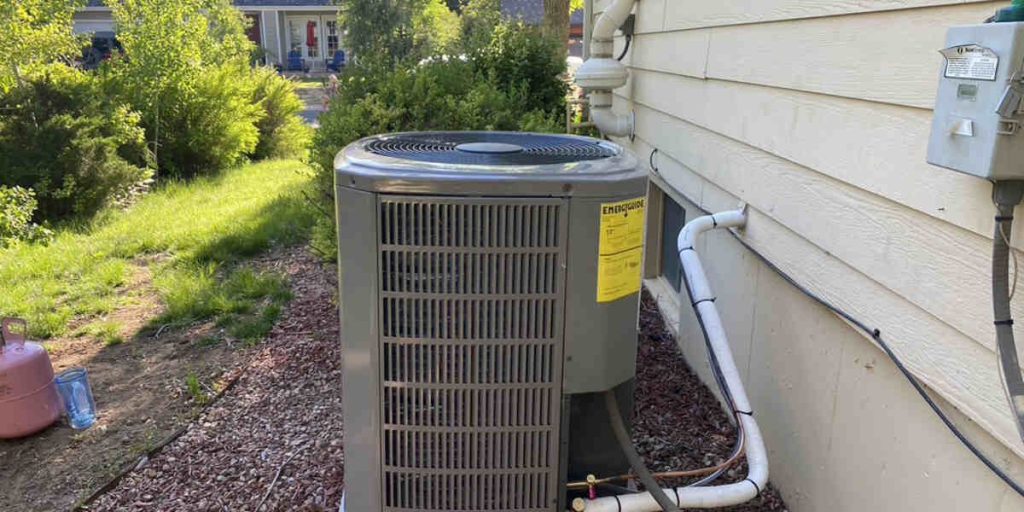
Does your outdoor unit become a magnet for nearby leaves or other debris? These elements can bring dust and dirt into your condenser, which impacts your indoor air quality and the general function of your system. To protect the system from damage, remove any debris within a two-foot radius of your unit.
While DIY maintenance is a good start, you should hire a professional to inspect your system. Trained experts take these preventative steps up a notch by cleaning all internal components, running tests, and repairing any damage. Your HVAC system will be in pristine condition as long as you keep up with routine maintenance and schedule tune-up services at the start of each heating and cooling season.
Do All HVAC Systems Use Heating Coils?
No matter what type of HVAC system your home uses, it relies on evaporator and condenser coils to keep you comfortable. Furnaces and central air conditioners are common mechanisms, though energy-efficient alternatives like heat pumps and ductless mini-split systems also utilize coils. Understanding how these pieces function gives you a better idea of how your system operates effectively.
Are you looking to install a new air conditioner or switch from a furnace to a heat pump? Make sure to locate the coils on your new system and familiarize yourself with the warranty so you know how to treat them. This is the best way to prevent expensive damage to your system.
Reach Out to the HVAC Experts at Fast Air Repair
Now that you know how heating coils work, rely on Fast Air Repair’s licensed professionals to keep them in good condition. Our trained experts can help maintain your HVAC system’s coils, install heat pumps, and conduct various repairs.
No matter your HVAC needs, the specialists at Fast Air Repair will provide an easy, affordable solution. Call 352-290-7968 to discuss your needs or schedule a service.