

Are you experiencing problems with your evaporator coils? Call 352-290-7968 and schedule service from Fast Air Repair.
Many don’t realize the location of essential AC unit components. When customers call us for service, they usually ask questions like, “Where are the evaporator coils on an AC unit?” Although HVAC anatomy may seem irrelevant, remaining aware of essential mechanisms like your evaporator coils could help avoid expensive service.
Call Ocala’s trusted AC maintenance from Fast Air Repair when your unit requires service. Our HVAC professionals offer top-rated AC repair and maintenance services to sustain your home’s energy efficiency and indoor air quality. Contact our team to schedule your service or request a quote today.
What Are Evaporator Coils?
Most people don’t understand the function of their HVAC system components. However, learning more about these mechanisms can help you remain attuned to developing problems.
Evaporator coils help remove heat from your indoor air. In fact, air conditioners don’t produce cold air; instead, they remove heat and humidity from indoors to keep your home cool. Your HVAC unit’s evaporator coils are responsible for removing the heat from indoor air.
How Do Evaporator Coils Cool Air?
Ok, so you know that evaporator coils remove heat from the air in your home. But how do copper tubes accomplish this task?
Evaporator coils contain a chemical called refrigerant that plays a crucial role in HVAC functioning. As this chemical moves through the evaporator coils, it transitions from a liquid to a gas. This gas removes the heat from your indoor air and improves your unit’s cooling.
Location of Evaporator Coils
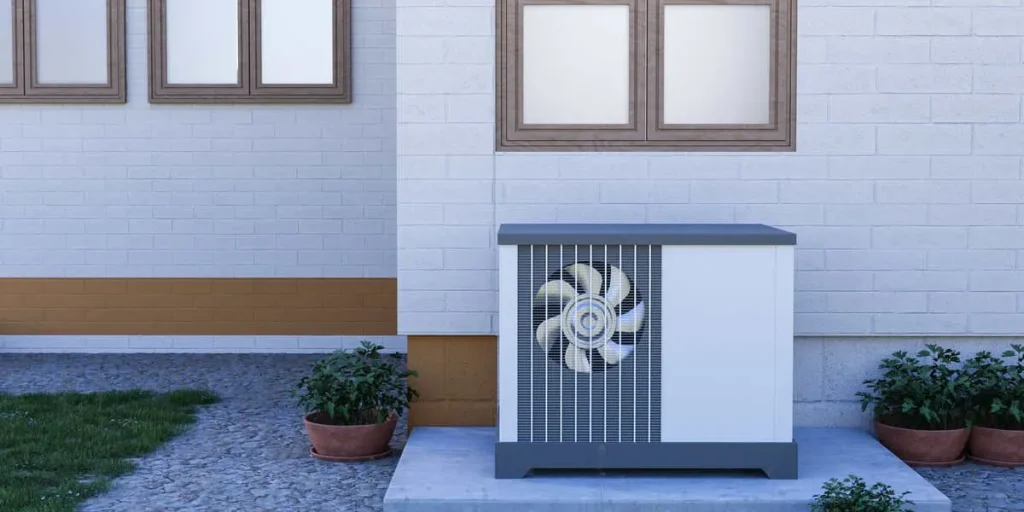
So where are the evaporator coils on an AC unit? Most HVAC units house evaporator coils within the outdoor unit or attached to the furnace.
In most cases, the air handler is located in either the outdoor unit or the furnace. These locations offer the best access to the air coming through your system so the evaporator coils can move refrigerant gas through the indoor air.
Differences Between the Evaporator Coil and Condenser Coil
You might also know about condenser coils if you’ve heard about evaporator coils. While these mechanisms sound similar, they actually work in opposite ways to facilitate the cooling function of your unit.
Evaporator coils transition refrigerant into the gas necessary to remove heat, while the condenser coils return the gas to a liquid state. During this second transition, your HVAC unit expels the heat removed from your home through outdoor units and vents. Therefore, the condenser coils enact the second part of the cooling process required to achieve your desired temperature inside.
Signs of Evaporator Coil Issues
Knowing when to call an HVAC technician to service your evaporator coils and unit is much harder if you’re unaware of signs of disrepair. From technical failures to rises in your energy bills, these signs of evaporator coil disrepair should alert you to call professionals immediately. Failure to do so could cause increased damage that requires more expensive repairs.
The main signs of evaporator coil issues include:
- Decreased HVAC efficiency
- Increased energy bills
- The unit takes longer to cool your home
- Lower temperature accuracy
- Cool air doesn’t flow through your system at all
- Visible leaks or physical damage to the outdoor unit
- Leaking refrigerant that resembles clean water
Potential Causes of Evaporator Coil Problems
Many forces could lead to evaporator coil breakdowns and problems. Knowing these causes can help you avoid potential mishaps.
Dust Buildup
As your air flows through your HVAC system, it also carries many contaminants within your home. Impurities like dust, pet dander, bacteria, and small debris can gather on your air filters and evaporator coils. These intruders impede system functioning, forcing your unit to work harder and eventually leading to problems with your coils.
Refrigerant Leaks and Frosts
While a functioning system channels refrigerant to remove heat and humidity from indoor air, minor damage, and issues can cause refrigerant leaks that threaten your system. Leaking refrigerant can gather on other parts of your system and cause frosts. Frosted HVAC mechanisms are more likely to break down and require premature replacement.
Low Levels of Refrigerant
Believe it or not, even low refrigerant levels can be a problem for your system. While it may seem like keeping refrigerant levels optimal wouldn’t significantly impact your evaporator coils, refrigerant levels that become too low can cause serious problems.
Low refrigerant levels obstruct the ability of your system to remove heat from indoor air and transfer it outside. Thus, keeping the right quantity of this chemical in your system maintains its ability to cool your home.
Expired System
Your HVAC unit won’t last forever. Systems over 10 to 15 years old that start experiencing significant problems with evaporator coils or other parts of the unit may require replacement. Replacing an expired system offers you the chance to lower your energy costs with a more efficient and effective HVAC unit.
Advantages of Clean Coils
Maintaining clean evaporator coils provides many benefits for your home. First, clean coils maintain your home’s indoor air quality, cooling capabilities, and HVAC efficiency. Furthermore, keeping your system in top shape is one of the best ways to reduce or minimize your monthly energy expenses.
Keeping Evaporator Coils Clean: Maintenance and Repairs
Because of the undeniable benefits of maintaining clean evaporator coils, it’s essential to schedule routine maintenance and repair services from qualified HVAC professionals. Experts from Fast Air Repair can routinely inspect your system to keep it working in top condition.
Fast Air Repair professionals can provide more tips on maintaining your air conditioner and evaporator coils. Call today to ask our experts how to keep your system in top condition.
Hire Expert HVAC Technicians From Fast Air Repair
Fast Air Repair professionals have the necessary tools and skills to clean air conditioner coils, repair system components, and ensure your HVAC unit functions optimally year-round. For more answers to the question, “Where are the evaporator coils on an AC unit?” call 352-290-7968 and request an estimate.