


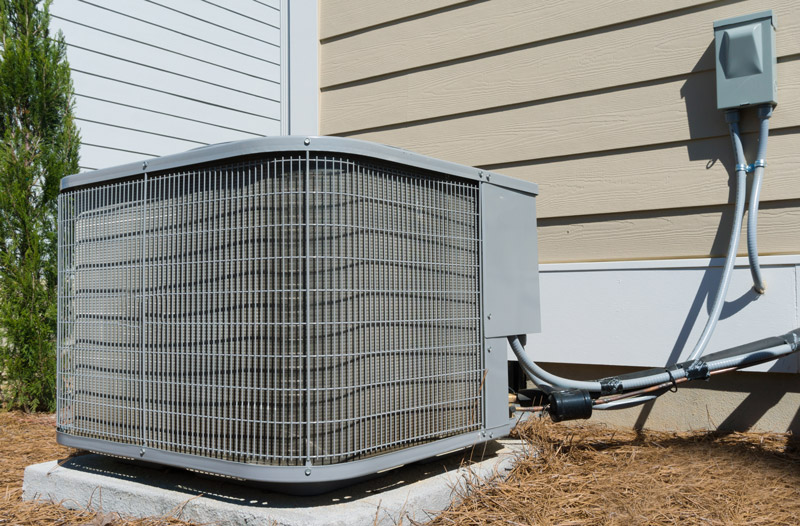
Inspect your property for entry points, seal cracks with weather-resistant sealant, and use metal mesh around pipes. Secure the outdoor unit by blocking gaps with wire mesh, steel wool, and ultrasonic devices. Manage vegetation by clearing debris and avoiding mulch near the AC. Repel pests with oils, sprays, and herb sachets. Follow a maintenance routine that includes air filter checks, debris clearance, and professional servicing. Embrace natural deterrents like mint and lavender plantings. Investigate comprehensive prevention strategies and eco-friendly pest control services for further tips on safeguarding your AC from pests.
Inspect for Entry Points
Carefully examine your property for potential entry points to keep pests out of your AC unit. Start by inspecting the exterior of your home for cracks and crevices that pests could use to gain access to your AC system. Seal any openings you find using weather-resistant sealant to prevent pests from entering. Moreover, check the insulation around your doors and windows to ensure there are no gaps where pests can squeeze through. Proper insulation not only aids with energy efficiency but also serves as a barrier against unwanted intruders.
Regularly inspect the areas around pipes, cables, and wires entering your home, as these are common entry points for pests. Use metal mesh or caulk to seal gaps or holes around these openings. Remember, even the smallest gaps can allow pests to enter your home and potentially damage your AC unit. By diligently sealing cracks and checking insulation, you can greatly reduce the likelihood of pests infiltrating your AC system.
Secure Outdoor Unit
Inspect the perimeter of your outdoor AC unit for gaps or openings that may allow pests to enter and secure them promptly. Rats and other pests can squeeze through surprisingly small spaces, so it’s important to seal off any potential entry points. Use materials like wire mesh or steel wool to block openings effectively. Moreover, consider installing rat deterrents such as ultrasonic devices or motion-activated lights near the outdoor unit to deter pests from getting too close.
When securing your outdoor unit, focus on implementing pest-proofing strategies designed to keep rodents and insects at bay. Ensure all vents are covered with mesh screens to prevent pests from nesting inside the unit. Seal cracks or crevices in the unit’s structure with weather-resistant sealant to eliminate potential entry points. Regularly inspect the area around the outdoor unit for signs of pest activity and address any issues promptly to avoid infestations. By taking these proactive measures, you can effectively protect your AC system from unwanted intruders.
Trim Vegetation Around the AC
To safeguard your AC from pests, it’s essential to trim vegetation around it. Clearing plant debris and maintaining a clear space around the unit will prevent pests from using overgrown vegetation as a pathway to your system. Keeping the area tidy reduces the chances of insects and critters finding refuge near your AC.
Clear Plant Debris
Keeping your air conditioning unit free from pests starts with regularly clearing plant debris and trimming vegetation around the AC. Here are some crucial tips to help you effectively manage plant debris and prevent pests from causing damage:
- Inspect Regularly: Check for any accumulation of leaves, branches, or other debris near your AC unit.
- Prune Overhanging Branches: Trim tree branches or shrubs too close to the AC to prevent easy access for pests.
- Remove Weeds: Pull out any weeds growing around the unit, as they can attract pests.
- Clean Gutters: Ensure gutters are clear to prevent water buildup, which can attract pests.
- Use Mulch Mindfully: Avoid placing mulch too close to the AC; it can harbor pests.
Maintain Clear Space
Trimming vegetation around your air conditioning unit is essential to maintain clear space and prevent pests from nesting. Overgrown plants and bushes near your outdoor AC create hiding spots for rodents and insects, increasing the risk of infestations. Keeping a clear space of at least 2 feet around the unit creates a barrier that makes it harder for pests to access and damage your system. Regularly trim back any branches or shrubs encroaching on the AC unit. This simple step not only improves the efficiency of your AC by optimizing airflow but also acts as a preventive measure against potential costly pest-related damages. Prioritize this task in your maintenance routine for effective pest prevention.
Use Pest Repellents
To effectively protect your AC from pests, consider using pest repellents as a preventive measure. Options like natural oils, peppermint, or cedar are organic repellents that can deter insects. Apply these repellents strategically around your AC unit to create a barrier against unwanted pests.
Repellent Options
To effectively keep pests away from your air conditioning unit, pest repellents can be a practical solution to contemplate. When selecting a repellent, consider these options:
- Natural Oils: Peppermint, citronella, and eucalyptus oils can deter pests effectively.
- Ultrasonic Devices: Emit unpleasant sound waves for pests, keeping them at bay.
- Mesh Screens: Place screens over openings to prevent pests from entering.
- Repellent Sprays: Commercially available sprays can create a barrier around your AC unit.
- Herb Sachets: Create sachets with lavender or rosemary to repel pests naturally.
Using these repellent options strategically can help safeguard your AC unit from unwanted intruders.
Application Tips
When applying pest repellents to safeguard your AC unit, ensure thorough coverage of all vulnerable areas to maximize effectiveness. Pest prevention is key to ensuring your AC protection. Start by identifying entry points such as gaps, vents, or openings that pests might use to access your unit. Apply the repellent generously around these areas, including the unit’s base and any wiring or tubing that could serve as pathways for pests. Remember to reapply the repellent regularly, especially after heavy rain or wind. By taking these steps, you can create a barrier that deters pests and keeps your AC system free from unwanted intruders, ensuring its top-notch performance.
Regular Cleaning and Maintenance
Ensuring regular cleaning and maintenance of your AC system is vital for keeping pests at bay and maintaining efficiency.
Here are some practical tips to help you maintain your AC system effectively:
- Inspect and Clean Air Filters: Regularly check and clean or replace air filters to prevent dust and debris buildup, which can attract pests.
- Clear Debris Around the Outdoor Unit: Keep the area around the outdoor unit clear of leaves, branches, and other debris that can provide hiding spots for pests.
- Check for Leaks and Moisture: Inspect your AC system for leaks or excess moisture, as these can attract pests seeking water sources.
- Trim Vegetation Nearby: Trim any vegetation or bushes near the AC unit to prevent pests from using them as pathways to access your system.
- Schedule Professional Maintenance: Consider scheduling annual maintenance with a professional to ensure thorough cleaning and pest prevention measures are in place.
Professional Inspection and Treatment
Inspecting your AC system regularly and seeking professional inspection and treatment can help identify and address potential pest issues effectively. Pest control experts have the knowledge and tools to thoroughly inspect your HVAC unit, ductwork, and surrounding areas for signs of infestation. They can pinpoint entry points that pests, such as rats and insects, may use to access your system. By implementing preventive measures like sealing off entry points, using pest-resistant materials, and applying safe and effective treatments, professionals can help safeguard your AC system from unwanted intruders.
Professional pest control services often offer routine maintenance plans to keep your system pest-free year-round. These plans may include scheduled inspections, treatments, and recommendations for long-term pest prevention. Investing in professional inspection and treatment protects your AC from damage and ensures your household’s health and safety. Don’t wait until pests have invaded your system; take proactive steps to secure your AC with the help of experienced pest control professionals.
Conclusion
To sum up, following these tips can effectively safeguard your AC from rats and other pests. While some may think it’s too much effort, imagine the relief of not having to deal with costly AC repairs or the inconvenience of a malfunctioning unit. Take the necessary precautions now to guarantee your AC remains pest-free and operating at its best for years. Your comfort and peace of mind are worth the extra effort.
Frequently Asked Questions
Can Rats Chew Through Metal Protective Barriers?
Yes, rats can chew through metal protective barriers. While metal barriers can be effective against some pests, rats have strong teeth capable of gnawing through them. Consider pest control alternatives like using sturdy mesh materials to reinforce protection.
How Often Should Pest Repellents Be Reapplied?
You’ll feel like you’re constantly playing tag with pests as pest repellents wear out faster than a sprinter on a hot track. For peak protection, reapply repellents every 2-3 weeks to keep those critters at bay.
Are There Specific Plants That Repel Pests Naturally?
Natural solutions like pest-repelling plants can help with pest resistance. Plants like lavender, mint, and marigolds deter pests. Incorporating these plants strategically around your home can create a barrier against unwanted visitors.
Should I Use Chemical or Natural Cleaning Products?
You should consider using environmentally friendly and safe alternatives like natural cleaning products over harsh chemicals. They can effectively clean your space without introducing harmful substances into your home, benefiting your health and the environment.