


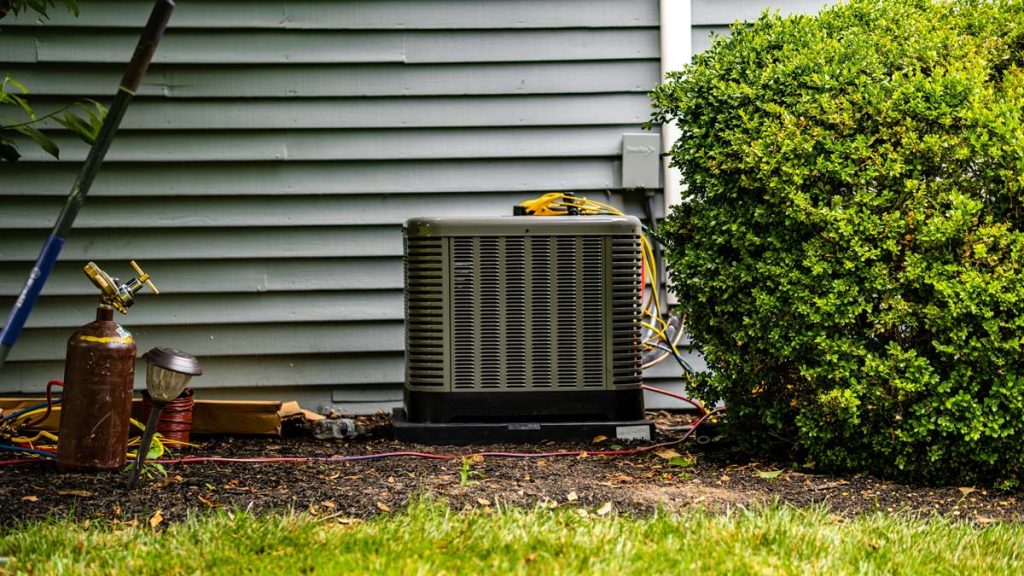
Air conditioners keep Inverness homes and businesses cool and comfortable during typically hot, humid summers. However, like any complex system, AC units can encounter issues over time. One of the most critical components, the compressor, often bears the brunt of wear and tear.
The compressor pressurizes the refrigerant and drives the cooling process. When it fails, property owners face a crucial decision: is it worth replacing the compressor on an AC unit? Fast Air Heating & Cooling, the go-to for reliable AC repair in Inverness, helps you make that call.
In this post, we’ll break down how the compressor keeps your AC running, uncover the costs of replacing it, and explore key factors like your unit’s age, energy efficiency, and whether it’s time to consider a brand-new system.
Let’s help you make the best decision for your wallet and property’s comfort.
How Does a Compressor Work?
Think of the AC compressor as the powerhouse of your cooling system — it’s what keeps everything running smoothly. When you flip the switch to cool your home, the compressor kicks into action by first compressing the refrigerant, which transforms it into a high-pressure, high-temperature gas.
This gas moves through the condenser coils, where it cools and turns into a liquid. As it travels through the evaporator coils, the refrigerant absorbs heat from the air inside your space, leaving it cool and refreshing.
The compressor keeps this cycle going, ensuring your space stays comfortable, even on the hottest summer days. If it fails, you’ll definitely feel that your system is not cooling effectively.
How Long Do Air Compressors Last?
Air compressors can keep going strong for 10-20 years if you treat them right. They typically last longer in northern than southern zones due to cooler temperatures that reduce the strain on the compressor, resulting in less wear and tear over time.
With regular maintenance, such as changing filters and keeping moving parts lubricated, you’ll help your compressor last longer and run smoothly. A little care goes a long way in extending its life and ensuring reliable performance.
Common AC Compressor Issues
An AC compressor can face several issues, like overheating, electrical failures, or wear and tear. Common signs include unusual noises or inconsistent cooling. When a compressor breaks down, repair often isn’t feasible due to the complex nature and high cost of parts.
Instead, replacing the compressor becomes the practical choice, as repairs rarely restore full efficiency or reliability. For a lasting solution and peace of mind, an AC compressor replacement from a trusted service can keep your home or business cool and comfortable all summer long.
But is it worth replacing the compressor on an AC unit? It depends.
AC Compressor Cost Replacement Factors
The cost of replacing an air conditioner compressor varies based on several factors. Warranty status, compressor type, BTU rating, refrigerant type, brand, and even the season play a role. Generally, more efficient units come with a higher price tag, but they save you money on energy bills over time.
Warranty
When deciding on an AC compressor replacement, warranty factors are heavily influenced by the cost. Warranties can vary significantly among brands, ranging from five years to a lifetime. Understanding these differences matters.
Ensure you know the warranty’s stipulations. You especially want to steer clear of anything that would void your warranty, such as poor maintenance. It also helps to note that many warranties do not cover labor costs for units older than two years, which could add to your expenses.
To avoid surprises, check if your warranty includes labor and what conditions apply. Knowing these details helps you budget effectively and make a well-informed decision. With a bit of research, you can navigate warranty terms and keep your costs in check while ensuring your AC system runs smoothly.
Unit Size
The cost of a compressor largely depends on the cooling capacity of the AC unit, measured in tons. For example, a four-ton compressor typically costs more (up to three times more) than a 1.5-ton compressor.
Remember, you can’t interchange compressor sizes — each unit needs a compressor that matches its original size to function properly.
To find your compressor’s size, check the model number on the outdoor unit. The last two digits usually indicate the compressor’s capacity (British Thermal Units) by thousands. For instance, a model number ending in 36 signifies a 36,000 BTU compressor or three tons of cooling capacity.
A higher BTU rating means greater cooling capacity and a higher replacement cost.
Type of Compressor
The type of compressor you choose impacts your replacement costs significantly. Single-stage compressors, while less expensive upfront, can cost you more overtime because of their lower efficiency. These units run at 100% capacity full-time, consuming more energy and driving up costs.
Two-stage compressors offer efficiency at reasonable pricing. They operate at two different levels, saving energy and maintaining a more consistent indoor temperature over time.
Variable-speed compressors come with the highest purchase and repair costs, but they deliver outstanding efficiency and comfort. These units minimize energy consumption by adjusting speed accordingly.
Brand
When it comes to air conditioner compressors, brand matters. Higher-end AC units often come with pricier compressors, so sticking with the same brand for a replacement usually ensures the best performance. However, you might find that some units work well with generic or different brand compressors.
Is it worth replacing the compressor on an AC unit? Think about whether compatibility and cost align with your needs. Consult a professional to make the smartest choice for your AC system.
Refrigerant
After replacing your AC compressor, you must recharge it with refrigerant. Most systems need two to four pounds of refrigerant. Note that you can’t interchange Freon, which is now outdated and more expensive, with newer refrigerants like R410A.
Your system requires the specific refrigerant it was designed for to run efficiently. Consult a professional to ensure you use the correct type and get the best performance.
Season
Season affects AC compressor replacement costs. Expect higher rates during summer and winter when HVAC pros handle the busiest times. For better pricing, schedule your replacement from mid-January to March or late September to November when contractors experience less demand and offer lower rates.
Compressor Replacement Cost vs. Unit Replacement
When your AC compressor breaks down, many property owners can’t decide whether to replace it or the entire system. Replacing just the compressor might seem like an easy fix, but opting for a full system replacement often proves more cost-effective.
Consider whether the system warranty still covers the compressor. If it does, you might only pay for labor. If not, replacing the entire system may make more sense.
New compressors work best with newer systems, and mixing old and new components can lead to future issues. For a smooth, long-term solution, choose a full system replacement with help from seasoned HVAC experts. This approach avoids future problems and ensures your AC runs efficiently.
Professional HVAC Service in Inverness, FL
Is it worth replacing the compressor on an AC unit? Trust our skilled Fast Air Heating & Cooling crew to guide you through the process with expertise and care. Our dedicated team operates 24/7, offering tailored HVAC solutions to keep your home or business comfortable year-round.
With hundreds of five-star reviews, we’ve built a solid reputation as Inverness’s top choice for HVAC repairs. Have you noticed your room is not cool when the AC is on? Trust us to handle that and much more.
Need advice or ready to schedule premium HVAC service in Inverness, FL? Call us today at 352-234-4701.