


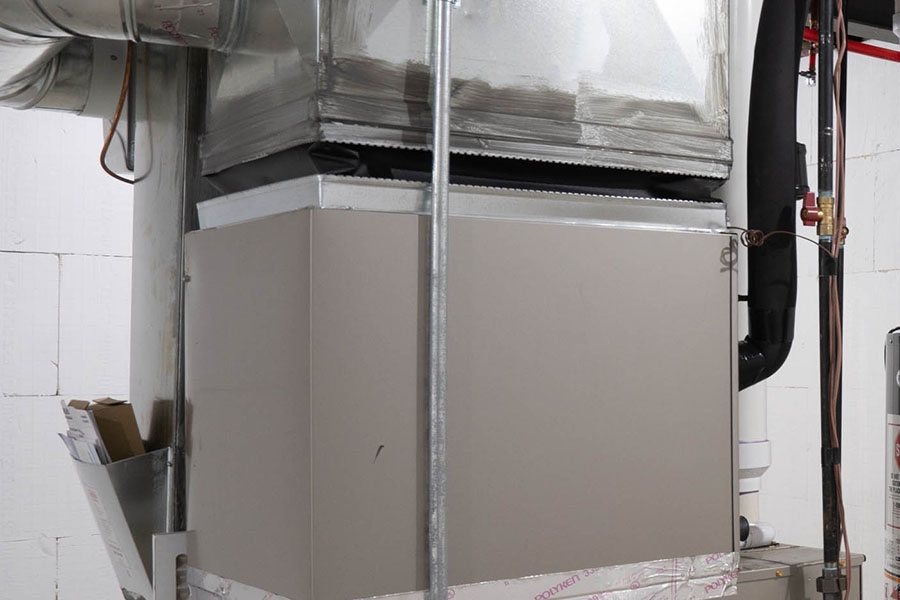
Most homeowners don’t realize that air handler issues can often be fixed without a professional. By taking a few simple steps, you can troubleshoot common problems that might be affecting your home’s comfort. From checking the power supply to inspecting air filters, these tips can save you time and money. Curious about how to effectively get your system running smoothly again? Let’s explore these essential tips to enhance your air handler’s performance.
Check the Power Supply
When your air handler won’t start, the first step is to check the power supply.
Make sure the unit is plugged in and that the circuit breaker hasn’t tripped. If you find it’s tripped, reset it and try starting your air handler again. You should also check the disconnect switch, usually located near the air handler. If it’s turned off, simply flip it back on.
Next, verify that your thermostat is set correctly and has fresh batteries if it’s battery-operated.
Sometimes, a faulty thermostat can prevent your air handler from receiving the signal to start.
If everything seems in order, but it still won’t run, consider calling a professional.
At Fast Air Heating & Cooling, we offer expert air handler services to help troubleshoot and resolve any issues.
Don’t hesitate to reach out for same-day service and expert assistance. Your comfort is our priority!
Inspect the Air Filter
When troubleshooting your air handler, inspecting the air filter is essential.
The type of filter you use and how often you replace it can greatly affect your system’s performance.
Keep an eye out for signs of clogging to guarantee your air handler runs smoothly and efficiently.
Regular air filter changes are crucial for optimal air quality and preventing system failures.
Filter Type Matters
Have you checked your air filter lately? The type of filter you use can greatly impact your air handler’s efficiency and your home’s air quality.
Pleated filters, for instance, capture more dust and allergens compared to standard fiberglass ones. If you’re using a washable filter, make sure it’s designed for your system to guarantee proper airflow.
Also, consider the MERV rating; higher ratings mean better filtration, but can restrict airflow if your system isn’t designed for it. Make sure you’re using the right filter type to avoid unnecessary strain on your air handler.
The right choice not only enhances your indoor air quality but also keeps your HVAC system running smoothly. Don’t underestimate the importance of your air filter!
Regular Replacement Schedule
Regularly inspecting and replacing your air filter is essential for maintaining your air handler’s efficiency. A clean air filter guarantees proper airflow, which helps your system run smoothly and efficiently. Depending on your home’s environment and filter type, you should check your filter every month.
If you have pets or allergies, you might need to replace it more frequently. When you notice it’s dirty or clogged, swap it out for a new one to prevent strain on your air handler.
This simple task can enhance your indoor air quality and prolong the life of your HVAC system. So, set a reminder to check your air filter regularly and keep your home comfortable year-round.
Signs of Clogging
Clogged air filters can greatly impact your air handler’s performance, leading to reduced airflow and increased energy costs.
If you notice weak airflow from your vents or hear unusual sounds coming from your system, it’s time to inspect the air filter. A dirty filter can restrict air circulation, making your system work harder and less efficiently.
You should check the filter every month, especially during peak usage seasons. If it’s covered in dust and debris, replace it to restore peak function.
Additionally, keep an eye out for increased dust accumulation in your home or longer run times for your air handler—both are signs that your filter may be clogged.
Regular maintenance helps guarantee your system runs smoothly and efficiently.
Examine the Air Ducts
How often do you think about your air ducts when troubleshooting your air handler?
It’s essential to examine them closely, as they play a significant role in your HVAC system’s efficiency. Start by checking for visible damage, such as tears or disconnected sections, which can lead to air leaks and reduced airflow.
Next, inspect for dust, debris, or signs of mold accumulation. Clogged ducts can restrict airflow, causing your air handler to work harder and potentially overheat.
If you notice any strange odors or persistent dust settling on surfaces, it might be a sign of dirty ducts.
Don’t forget to verify your ducts are properly insulated, especially in unconditioned spaces. Proper insulation helps maintain consistent temperatures and improves energy efficiency. Additionally, ductwork wear and tear can lead to system breakdowns, making regular inspections crucial.
If you’re unsure about the condition of your ducts, consider reaching out to Fast Air Heating & Cooling for a professional assessment.
Assess the Thermostat Settings
Are your thermostat settings correctly aligned with your comfort preferences?
It’s crucial to check these settings before assuming something’s wrong with your air handler. First, verify the thermostat is set to “cool” or “heat,” depending on the season. If your home feels too warm or too cold, double-check the temperature setting. It might be set higher or lower than you think.
Next, consider the programmed schedule. If you’ve set a specific temperature for different times of the day, make sure it’s functioning correctly. Sometimes, a simple reset can fix any glitches.
Also, examine the batteries if your thermostat isn’t responding. Weak batteries can lead to inconsistent readings.
If you have a smart thermostat, verify it’s connected to Wi-Fi for remote adjustments. By confirming your thermostat settings, you can eliminate one potential issue and focus on getting your air handler back to peak performance. Additionally, consider the benefits of smart thermostats, which can enhance your home’s energy efficiency and comfort.
Listen for Unusual Noises
Have you noticed any unusual noises coming from your air handler? Sounds like rattling, buzzing, or grinding can indicate potential issues.
It’s important to pay attention to these noises, as they often signal that something’s not right. For instance, a rattling sound might mean loose parts or debris inside the unit, while a buzzing noise could suggest electrical problems or a failing motor.
If you hear a grinding noise, it may indicate worn bearings or a malfunctioning fan. Catching these issues early can save you from costly repairs down the line.
You should turn off the unit immediately if you hear loud or alarming noises and contact a professional technician.
At Fast Air Heating & Cooling, we’re ready to help diagnose and fix any air handler problems.
Don’t let unusual sounds go unchecked; they could lead to larger issues affecting your home’s comfort and safety.
Look for Refrigerant Leaks
When your air handler isn’t performing well, you might want to look for refrigerant leaks.
Start by identifying signs of leakage, checking refrigerant levels, and inspecting connection points.
Addressing these issues quickly can help restore your system’s efficiency and comfort.
Identify Signs of Leakage
Although refrigerant leaks can be elusive, recognizing their signs early can save you from costly repairs.
Start by checking for reduced cooling efficiency; if your air handler isn’t cooling your home as it should, that’s a red flag.
You might also notice ice buildup on the evaporator coils or the refrigerant lines; this indicates a potential leak.
Listen for hissing or bubbling sounds near the unit, which can signal escaping refrigerant.
Additionally, be aware of unusual increases in your energy bills without a clear reason.
If you spot any of these signs, it’s essential to contact a professional like Fast Air Heating & Cooling. They’ll help you address the issue promptly and guarantee your system runs smoothly.
Check Refrigerant Levels
Checking refrigerant levels is essential for guaranteeing your air handler operates efficiently. Low refrigerant can lead to poor cooling performance and increased energy costs.
To maintain ideal function, you should:
- Inspect for visible leaks: Look for any oily residue around refrigerant lines or connections, which can indicate a leak.
- Monitor system performance: If your air handler isn’t cooling well, it might be a sign of low refrigerant levels.
- Consider professional help: If you suspect a leak, it’s best to call in an HVAC expert. They can safely handle refrigerant and guarantee your system is recharged properly.
Inspect Connection Points
Inspecting connection points for refrigerant leaks is essential for maintaining your air handler’s efficiency. Start by examining the fittings, joints, and coils where refrigerant circulates. Look for oil residue or frost, as these can indicate leaks.
If you spot any suspicious signs, it’s important to address them right away. A refrigerant leak not only affects your air handler’s performance, but it can also lead to higher energy bills and environmental damage.
While you can perform a visual inspection, consider contacting a professional from Fast Air Heating & Cooling for a thorough check. They’ve the expertise to locate and fix leaks, ensuring your system operates smoothly.
Keeping your air handler in top shape will enhance your home’s comfort and safety.
Schedule Professional Maintenance
When you schedule professional maintenance for your air handler, you’re taking a proactive step toward ensuring its efficiency and longevity.
Regular check-ups help identify potential issues before they escalate, saving you time and money in the long run.
Here’s what to expect from a professional service:
- Thorough Inspections: Technicians will check for wear and tear, ensuring all components are functioning correctly.
- Filter Changes: They’ll replace or clean filters, improving your air quality and system efficiency.
- System Calibration: Professionals will fine-tune your air handler settings for peak performance.

Conclusion
By following these essential troubleshooting tips, you’ll keep your air handler running smoothly and your home comfortable. Think of it as giving your HVAC system a little TLC—tender loving care. Regular checks and maintenance not only save you money but also extend the lifespan of your unit. Don’t wait for problems to snowball; take action now and enjoy a cozy, efficient living space in Dunnellon, FL. Your home deserves it!