



Imagine waking up in Inverness, FL, to a sweltering home since your thermostat misread the temperature. This common issue can be frustrating, but there are practical steps you can take to guarantee your comfort. From checking settings to contemplating a smart upgrade, these tips can help you regain control over your home’s climate. Uncover how to make simple adjustments that can lead to significant changes in your comfort level.
Check the Thermostat Settings
Before you adjust your home’s temperature, it’s essential to check your thermostat settings. This simple step can save you time and headaches.
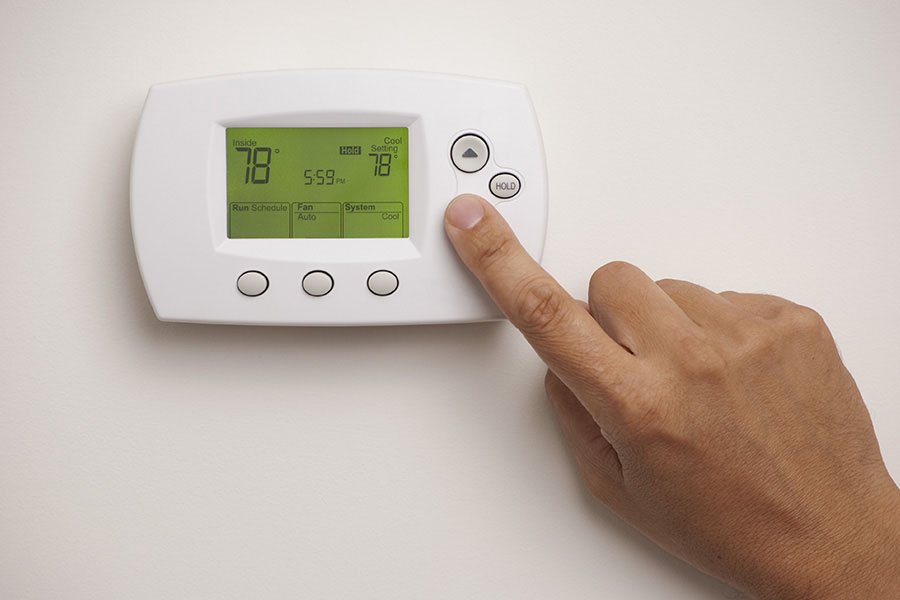
First, make sure the thermostat’s mode is set correctly—whether it’s heating or cooling. If you’re feeling uncomfortable, it might just be a matter of switching modes.
Next, verify that the temperature setting matches your desired comfort level. If it’s still not feeling right, consider adjusting the temperature a few degrees up or down to find that sweet spot.
Also, take a moment to check the program settings if you have a programmable thermostat. Sometimes schedules can get changed accidentally.
If you’re unsure, resetting to the factory settings can help you start fresh. Additionally, consider upgrading to a smart thermostat for enhanced control and energy savings. By taking these steps, you can make sure your HVAC system runs efficiently and effectively, leading to maximum comfort in your home.
Inspect the Thermostat Location
When you inspect your thermostat’s location, look at how much sunlight it gets throughout the day.
Direct sunlight can cause inaccurate temperature readings, so it’s best to keep your thermostat away from those hot spots. Additionally, make sure it’s not near drafty areas, as this can lead to inconsistent heating or cooling in your home. Regular maintenance, including air filter replacement, can also contribute to better HVAC performance and comfort levels throughout your space.
Assess Sunlight Exposure
One crucial step in optimizing your home’s comfort is evaluating the sunlight exposure of your thermostat’s location. If your thermostat sits in direct sunlight, it can misread the temperature, causing your HVAC system to work harder than necessary.
You’ll want to check if sun rays hit it during the day, especially in the afternoon. If so, consider relocating the thermostat to a shaded area or using curtains to block direct sunlight. This small change can greatly improve the accuracy of your temperature readings.
Furthermore, make sure there’s enough airflow around the thermostat, as good air circulation helps maintain consistent temperatures.
Avoid Drafty Areas
After evaluating sunlight exposure, it’s time to take a closer look at your thermostat’s location in relation to drafty areas.
A thermostat placed near drafts can lead to inaccurate readings and discomfort. To optimize its performance, consider these key points:
- Identify Draft Sources: Check windows, doors, and vents for leaks that may disrupt airflow around your thermostat.
- Relocate if Necessary: If your thermostat’s near a drafty area, consider moving it to a more stable location, away from temperature fluctuations.
- Seal Drafts: Use weatherstripping or caulk to seal any gaps in drafty areas, ensuring your thermostat receives a more accurate temperature reading.
Taking these steps can greatly improve your home’s comfort and boost your HVAC system’s efficiency.
Replace the Batteries
Replacing the batteries in your thermostat is a simple yet vital task that can greatly impact your home’s comfort. If your thermostat isn’t functioning correctly, it might just need fresh batteries.
Start by checking the battery compartment—usually located on the front or back of the device. You’ll want to verify you have the right battery type, which is often AA or AAA.
Once you’ve got the new batteries, carefully remove the old ones, noting the orientation. Insert the new batteries, making sure they’re in the correct position.
After replacing them, test your thermostat to confirm it powers on and responds as it should.
Don’t forget to make this a routine part of your home maintenance, checking the batteries every six months. Keeping your thermostat powered up is vital for maintaining the temperature and comfort levels you desire in your Inverness home. Regular AC maintenance can also help ensure your system operates efficiently, complementing your thermostat’s functionality.
Clean the Thermostat Sensors
Keep your thermostat running efficiently by regularly cleaning its sensors. Dust and dirt can accumulate on the sensors, causing inaccurate readings and fluctuating temperatures.
To maintain peak performance, follow these simple steps:
- Turn off the power: Before cleaning, make sure to switch off the thermostat and HVAC system to avoid any electrical issues.
- Gently clean the sensors: Use a soft cloth or a cotton swab dipped in rubbing alcohol to wipe the sensors carefully. Avoid using harsh chemicals that could damage the components.
- Check for obstructions: Verify there are no furniture or curtains blocking the thermostat, as this can affect its ability to read the room temperature accurately. Additionally, consider scheduling regular air handler maintenance to ensure your HVAC system operates effectively.
Calibrate Your Thermostat
To guarantee your thermostat is giving you the right readings, check its calibration settings regularly.
Using an accurate thermometer next to your thermostat can help you spot any discrepancies.
This simple step can make a big difference in your home’s comfort and energy efficiency.
Check Calibration Settings
If your thermostat isn’t calibrated correctly, it can lead to uncomfortable temperatures and increased energy bills.
To guarantee your home stays cozy without straining your finances, follow these steps to check your calibration settings:
- Set Your Thermostat: Adjust your thermostat to a specific temperature and wait for the system to respond.
- Observe the Temperature: Use a reliable thermometer to compare the actual room temperature with your thermostat setting.
- Adjust if Needed: If there’s a significant difference, consult your thermostat’s manual on how to recalibrate it properly.
Use an Accurate Thermometer
Using an accurate thermometer is essential for guaranteeing your thermostat reflects the true temperature of your home.
Place a reliable thermometer in a central location, away from drafts and direct sunlight, to get an unbiased reading. Compare this reading with your thermostat setting. If there’s a discrepancy, it might indicate that your thermostat needs calibration.
Many modern thermostats have built-in calibration features, so consult your manual to adjust it accordingly. Regularly checking the accuracy of your thermometer helps maintain comfort and efficiency in your home.
If you notice persistent issues, consider reaching out to Fast Air Heating & Cooling for professional guidance. They’ll guarantee your thermostat works effectively, keeping your indoor environment comfortable year-round.
Upgrade to a Smart Thermostat
Upgrading to a smart thermostat can greatly improve your home’s energy efficiency and comfort, especially when you reflect on the convenience it brings.
These devices learn your habits and adjust temperatures accordingly, which means you can enjoy consistent comfort while saving on energy bills.
Here are three key benefits to reflect on:
- Remote Access: Control your home’s temperature from anywhere using your smartphone, ensuring it’s always comfortable when you arrive home.
- Energy Savings: Smart thermostats optimize heating and cooling schedules, helping you cut down on unnecessary energy use and costs.
- Integration with Smart Home Systems: They often work seamlessly with other smart devices, allowing for a more unified and automated home environment.
Investing in a smart thermostat not only improves your comfort but also contributes to a more energy-efficient household.
Schedule Professional HVAC Maintenance
Investing in a smart thermostat is just the beginning of enhancing your home’s comfort. To guarantee your heating and cooling system operates efficiently, you need to schedule professional HVAC maintenance regularly. This proactive approach not only prolongs your system’s lifespan but also helps identify potential issues before they escalate into costly repairs.
During maintenance, a qualified technician will inspect your thermostat, clean components, and calibrate settings for peak performance. They’ll furthermore check refrigerant levels and make certain your air filters are clean, improving indoor air quality.
Don’t wait for your system to show signs of wear—set a maintenance schedule with Fast Air Heating & Cooling. With their expertise and commitment to quality service, you’ll enjoy peace of mind knowing your HVAC system is in great hands.
Plus, you’ll benefit from energy savings and a consistently comfortable home year-round.
Conclusion
Just like a well-tuned instrument, your thermostat needs regular attention to keep your home comfortable. By following these practical tips, you’ll guarantee that your thermostat works effectively, creating the perfect indoor climate. Check the settings, clean the sensors, and consider a smart upgrade to improve your experience. Don’t forget to schedule routine HVAC maintenance to keep everything running smoothly. With a little effort, you can enjoy consistent comfort in your Inverness home all year round. Contact us today!