


Carbon monoxide leaks and their consequential poisonings are serious concerns many Floridian homeowners and businesses hope to avoid. With so many appliances available today, numerous property owners wonder, “Can you get carbon monoxide poisoning from an AC unit?”
In this guide, we’ll discuss whether ACs and other common appliances produce carbon monoxide and how to avoid carbon monoxide leaks. We will also examine the signs of a CO leak. After reading, call Fast Air Repair for expert air conditioning repair in Ocala, Florida.
Do Air Conditioners Produce Carbon Monoxide?
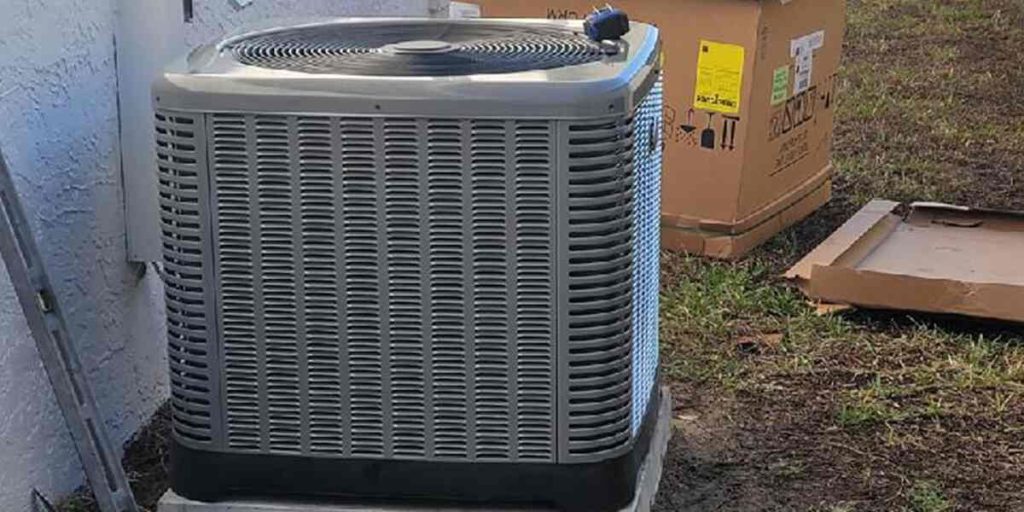
No, air conditioning systems do not release carbon monoxide, as gas is unnecessary for operation. However, many air conditioners connect to a home’s heater or the entire HVAC system. These other appliances may use gas and can experience a gas or carbon monoxide leak.
Some things that can produce CO include the following:
- Gas furnaces, ovens, and stoves
- Fireplaces (wood or gas burning)
- Hot water heaters
- Clothing dryers
- Cars in enclosed garages
- Generators
- Grills
- Cigarette smoking
- Lawn equipment
Carbon monoxide detectors throughout your property and in the right locations are essential for detecting exposure. You can schedule professional installation and inspections to ensure you’re not using an ineffective or broken detector. You can feel safe instead of sorry!
Ways To Prevent a Carbon Monoxide Leak in Your Home or Business
While carbon monoxide poisoning is a frightening situation, you can take several steps to decrease your chances of dealing with it. Some of these tips to avoid CO leaks and poisoning include the following.
1. Keep Some Gas-Consuming Appliances Outside
Using gas-powered appliances inside your property can contribute to poor indoor air quality and cause carbon monoxide poisoning. The general recommendation is to use some of these systems at least 20 feet away from your home, such as automobiles, motorcycles, fire pits, and grills.
While opening up windows and doors is helpful, it’s often not enough to fully address the problem. If you have an attached garage in your home, remember to keep your garage door open for proper ventilation or only to keep your car running while it’s completely outside. It’s safer this way.
2. Maintain Your Appliances Two Times a Year
Routine maintenance is a natural part of owning appliances, and gas ones typically require services at least two times a year. Maintenance shows you what condition each appliance is in and helps a professional technician catch problems before they worsen. This is especially helpful in preventing carbon monoxide poisoning because a trained expert will immediately resolve major issues with your gas furnace or heater. Your appliances will also last much longer and perform better if you follow through with maintenance services. You can stay safe and save money in the long run!
3. Clean Your Chimney Flues and Vents
Can you get carbon monoxide poisoning from an AC? No, but you can experience poisoning due to a clogged chimney!
It’s easy for dirt, dust, and debris to clog up and cover your chimney vents and flues, so remember to keep these clean. When these substances build up, they can prevent toxic fumes from escaping and force them back into your property. Ensuring the pathway is clear can help your home or business function better and keep everyone safer.
These areas also are appealing to birds and small animals. Some property owners might discover critters using debris and natural objects to build themselves nests. When this happens, you can call a trusted HVAC professional to remove unwanted materials and clean these areas carefully.
4. Inspect Furnace Heater Exchangers
Looking at the heat exchanger is a vital step you shouldn’t overlook during maintenance. You can request that your maintenance professional perform an inspection on your furnace’s heater exchanger to see that gasses are properly venting out and not building up in your residence or commercial property.
An oil or gas furnace needs a heat exchanger to function properly and keep your business or home safe. If your exchanger has holes, cracks, or is broken in any way, you are at risk of carbon monoxide poisoning. Taking care of this issue as soon as possible is essential and requires the assistance of a trained, experienced, and licensed HVAC professional in your area, so don’t hesitate to schedule emergency services.
5. Improve Your Property’s Indoor Air Quality
Having good indoor air quality is essential for every home and business. A home with clean air is more comfortable for you, your family, and anyone who comes over, making your house a safe and healthy place to live or visit. This concept also holds true if you own a commercial business. Businesses must maintain a clean and healthy work environment for their employees and clients. Not only is having poor indoor air quality uncomfortable, but you can also drive loyal customers away.
Devices like humidifiers, dehumidifiers, air handlers, and air purifiers may improve the indoor air quality of your property and make an immediate and noticeable difference, so contact a professional for a consultation appointment.
Signs You Have a Carbon Monoxide Leak
Since carbon monoxide has no color, taste, or smell, it’s often difficult to detect. Fortunately, you can look for other noticeable signs and address this major concern before it worsens. Consider the following clues that CO is leaking from somewhere on your property:
- Black, yellow, or brown stains and soot on your appliances
- Chimney or fireplace fumes, soot, or smoke
- A repeatedly blown-out pilot light
- Odors from strange gasses
- Strong condensation on your windows
- Yellow or orange flames in gas appliances that normally produce blue ones
- Painfully slow burning of solid fuel fires
You should open the doors and windows in your home or business and leave the building immediately. Ensure everyone is out of the property and contact a trusted professional to ensure all of the carbon monoxide is gone. Visit the emergency room right away if you’re feeling unwell.
Many people who have experienced symptoms of carbon monoxide poisoning feel like they’re experiencing a hangover. You could feel lightheaded, have trouble concentrating, and notice chest pains, memory loss, and nausea. It has become more popular for people with carbon monoxide poisoning to write notes to keep themselves safe and avoid forgetting important information.
Contact Ocala’s Preferred Air Conditioning Professionals
While air conditioners don’t release carbon monoxide, many other appliances, like your furnace, fireplace, and more, can produce this odorless and colorless gas. It’s essential to call a professional for support as soon as you suspect a leak to avoid carbon monoxide poisoning and serious health problems. At Fast Air Repair, we’re committed to helping keep you and your loved ones safe. We can inspect your HVAC system, provide you with maintenance and repairs, and much more.
Our HVAC business can service your air conditioner and offers the following:
- Emergency HVAC services
- Air conditioning repairs
- Air conditioning installation
- Air conditioning maintenance
- And more!
We hope you now know the answer to the question, “Can you get carbon monoxide poisoning from an AC?” When your air conditioning isn’t performing properly or is overdue for replacement, reach out to our trusted team in Ocala, Florida. We offer helpful emergency services and are always prepared to help our clients meet their heating, cooling, and ventilation needs for an unbeatable price.
Contact Fast Air Repair by booking a service appointment online or calling us today at 352-290-7968!
Author Bio:
Dustin Vetter
Our team has several years of experience servicing various HVAC systems, including central air, heat pumps, and radiators. We offer 24/7 emergency services, so we can be there to assist no matter when you need a helping hand. We only use the highest-quality products, so you can rest assured that our HVAC services will produce lasting results.