


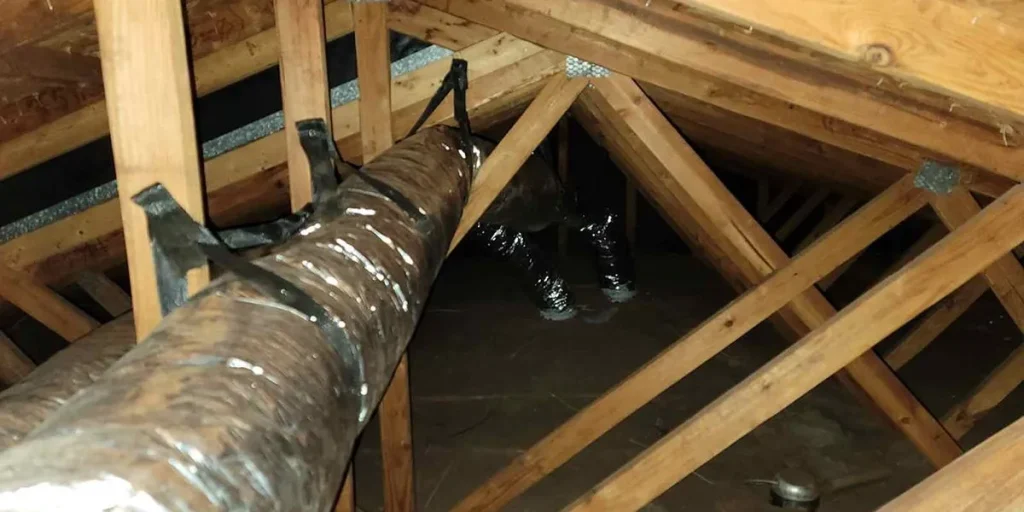
It might sound like a scene from a horror movie, but for many homeowners, the real-life disquieting scene of mice coming through vents is a real-life problem. If you have mice in your home, the animals will naturally seek out warm, dark, sheltered places for protection from humans, predators, and the elements.
Fortunately, homeowners can avoid the problem of mice coming through vents by making their HVAC systems less hospitable to mice and other pests and removing the already present animals. Ocala’s emergency HVAC services provider, Fast Air Repair, has tips for keeping your HVAC system free of animal pests.
Signs of Mice in Your Home
Your ductwork could still harbor mice even if you don’t see them. Be on alert for the following signs of mouse infestation:
- Mouse droppings
- The odor of mouse urine
- The sound of footsteps within walls or above the ceiling
- Mouse nests
- Holes chewed through cardboard food containers
Why Are There Mice in the HVAC Vents?
Mice can get into the HVAC vents through holes or cracks in the ductwork.
The cracks often result from temperature changes that cause the duct material to expand and contract. In fall, when temperatures are volatile and cold winter weather is on the way, mice will be more likely to invade your home, seeking shelter.
Mice are nimble, creative, and capable of fitting into narrow cracks or gaps in the ductwork if it will secure them a place to rest and forage. As mice and other animals move into and out of the ductwork, they can do more damage.
Once the mice find a way inside, they can bring food into the ductwork to keep it away from competitors. The food can attract other animals, putting your ductwork at greater risk.
Why Mice in Your HVAC Vents Can Be Dangerous and Expensive
Manufacturers design the ducts and vents in HVAC systems to withstand everyday wear and tear. However, an animal infestation exposes the systems to stresses that shorten their lifespans, leading to more frequent repairs.
A house with a substantial mouse problem is more than just a nuisance. Mice introduce hair and droppings into the system, which clog filters, damage fan blades, and contaminate the air. Odors can spread through the house, making it less pleasant for anyone to spend time in your home, especially if the blower is running.
Worse, mice and other animals do occasionally die within HVAC ductwork. The bodies attract insects and produce toxins as they decompose.
How to Prevent Mice From Getting into Your Vents
If you are determined to protect your family and your investment in your HVAC systems, you can take steps to keep your HVAC vents and ductwork free of rodents.
Tip #1: Clean Your HVAC Ductwork
Thoroughly cleaning your HVAC ducts could remove any food particles and other debris that might attract mice. Like other rodents, mice rely on their sense of smell to find food and navigate their environment. They will be less likely to invade ductwork that lacks the familiar scent.
Tip #2: Deprive Mice of Food Sources
Mice will be less able to use your home as a refuge if they lack access to a food supply. Avoid leaving food in open trash bins or on countertops where mice can reach them. Mice can nibble through cardboard boxes, so store cereals and other similar food products in sealed plastic containers.
Tip #3: Remove Sources of Water Near Your Home
It might not seem like a birdbath or pond in your yard could attract mice in your home, but pests like to be near water sources. If any landscape feature in your yard contains drinkable water, mice could use the house as a shelter and make forays out to your yard when they get thirsty.
Tip #4: Deny Mice a Clear Path to Your Home
Inspect any potential entry points that mice could use to enter and exit your home. Install screens over any vents or pipes and attach sweepers to the bottom of any doors if the gap between the door and the floor is large enough for a mouse to squeeze through. Do not overlook your dryer vent, which is a common vulnerability.
Close off every opening, even if it might seem too small to bother with. A young mouse can fit through a space no higher than the width of a pencil.
Tip #5: Seal Holes in Ductwork
If mice cannot enter your ductwork, you won’t have to deal with them coming through vents. Inspect your ductwork thoroughly and seal any gaps, scratches, or weak points.
Tip #6: Get Mouse a Repellant
One way to discourage mice from using your home as a shelter is to introduce odors or sounds that irritate the mice but that do not bother humans and pets, such as:
- Ultrasonic devices that produce sounds that mice don’t like but are too high-pitched for humans to hear
- Essential oils with intense smells that repel mice
- Other materials with strong odors, such as onions, cayenne pepper, and vinegar
Tip #7: Get a Cat
If you consider adopting a pet, a cat would effectively deter mice. Cats have excellent night vision and can catch mice when you sleep. Keep in mind that the cats might make some noise while hunting down their prey.
What to Do When Mice Are Already at Home in Your Vents
If mice are already entering your home through the vents, many ways exist to encourage them to leave. The above tips will help you deal with existing mice and dissuade new ones from moving in.
Another way to eliminate mice is to place mouse traps near food sources, water sources, and potential entry or exit points near the ductwork. You can also set traps inside the ductwork; just remember to check the traps after several days to remove any mice you trap, replenish the bait, and reset the traps.
Mice like sugary and protein-rich foods, so peanut butter is a good choice for an appealing bait. Chocolate and cheese are also effective.
If you feel squeamish about the idea of killing mice in your home, place humane traps. Once they fall into the trap, you can safely remove rodents from your home. Release the trapped mice somewhere far from your home and away from neighboring properties.
When to Call the Professionals
If you still see, hear, or smell signs of mice inhabiting your ductwork after you have tried home remedies, it might be time to contact a professional. A licensed HVAC contractor will know how to repair the damage that the mice cause, seal entry points to the HVAC system, and clean the vents.
Be mindful of exposure to toxins and disease when checking traps or inspecting ductwork. Mouse nests and droppings can release infectious particles into the air. A professional will have the proper protective equipment to remove traces of mouse habitation while minimizing the health risks for you and your family.
Get Heating and Air Conditioning Help from Fast Air Repair
If you are worried about mice coming through vents or any other unpleasant surprises from your HVAC system, don’t leave your heating and cooling to chance. Contact the HVAC professionals at Fast Air Repair for advice and practical solutions for various HVAC maintenance issues.
To learn more about common HVAC problems or to schedule a repair service, call Fast Air Repair, your premier heating and air conditioning company, at 352-290-7968 today.