


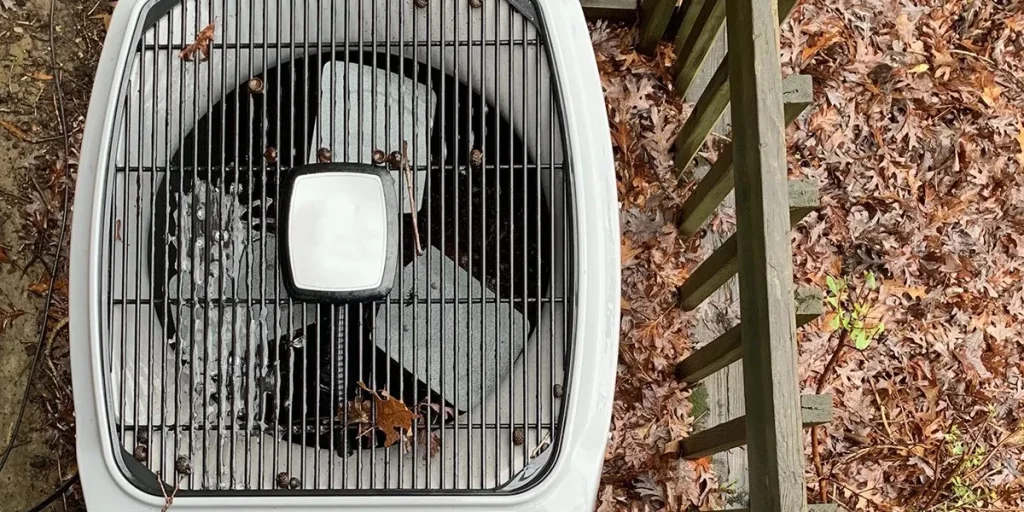
Mice are opportunistic pests that seek out warm, sheltered spaces — and your outdoor AC unit fits that description perfectly. The unit offers shade, electrical wiring to chew on, and a potential entry point into your home. Working in homes across Belleview and Marion County, our technicians regularly find rodent damage during routine visits, especially during cooler months when mice move closer to structures for warmth.
Key Points:
- Mice are drawn to AC units for shelter, warmth, and accessible wiring
- Prevention is far less costly than repairing rodent damage
- Regular inspections and maintenance are your strongest line of defense
Why Mice Target Your AC Unit
Rodents like making nests inside HVAC systems because the units provide consistent refuge. Their waste, nesting habits, and chewing can cause severe damage to electrical components and refrigerant lines, and their presence degrades indoor air quality over time.
Understanding what attracts mice to your unit is the first step toward keeping them out. The tips below cover the most effective preventive measures Fast Air recommends to homeowners throughout the Belleview area.
1. Fix Leaky Air Conditioners
Air conditioners naturally produce condensation as they remove moisture from indoor air. That moisture, however, attracts pests — including mice looking for a water source near a sheltered space.
If you notice water pooling around your outdoor unit, a Fast Air technician can identify the source and resolve it before it draws unwanted visitors. Common causes of AC water leaks include disconnected drain lines, clogged drain lines, and damaged insulation around the coils. Scheduling a professional AC maintenance visit is the most reliable way to catch and correct leaks early.
2. Perform Regular Inspections
Inspecting your outdoor AC unit at least once a month gives you early warning of both mechanical issues and potential pest activity. Catching a rodent problem early significantly limits the damage.
During an inspection, watch for these common signs of mice inside an AC unit:
- Mouse droppings near or inside the unit
- Urine stains or puddles around the base
- Chewed electrical wiring or insulation
- Nesting materials packed into the cabinet
If you spot any of these, contact a technician for a thorough assessment. A pest control company may also be needed to address the infestation before HVAC repairs can begin.
3. Keep the Outdoor Unit Clean
A clean unit with adequate clearance around it is far less inviting to rodents. Fast Air recommends maintaining at least two feet of clear space around the outdoor unit to support airflow and eliminate hiding spots for pests.
Remove leaves, mulch, wood piles, and grass clippings from the area regularly. Compost piles and pet waste near the unit can also draw mice, so keep the surrounding ground as clean as possible. In Belleview neighborhoods near wooded lots or open fields, this kind of routine upkeep makes a meaningful difference.
4. Install Protective Mesh Screens
Mesh screens are one of the most effective physical barriers against rodent entry. Mice are notorious for squeezing through surprisingly small openings, but they cannot chew through steel mesh.
A properly fitted mesh screen covering the cabinet openings of your outdoor unit creates a durable barrier without restricting airflow. This is a straightforward protective measure our team often recommends for properties along rural stretches of Marion County where rodent pressure tends to be higher.
5. Manage Landscaping Around the Unit
Overgrown grass and dense plantings near the outdoor unit do more than block airflow — they create ideal cover for rodents. Keeping vegetation trimmed and maintaining the two-foot clearance rule around the unit removes that advantage.
For homeowners who prefer a low-maintenance solution, xeriscaping offers an effective alternative to grass and plants. According to the University of Florida IFAS Extension, Florida-friendly landscaping reduces maintenance demands while supporting a healthier outdoor environment. Common xeriscaping materials that work well around AC units include:
- River rocks or decorative stones
- Granite gravel
- Bricks or pavers
6. Seal Gaps in Air Ducts
Cracks, holes, and gaps in ductwork give mice a direct path into your home through the HVAC system. These entry points should not be left open or patched with temporary solutions that won’t hold up to Florida’s heat and humidity.
A qualified technician can seal ductwork permanently using the right materials for lasting results. If you suspect gaps or damage in your system, a professional ductwork repair inspection is the right call before a small opening becomes a full infestation route.
7. Address Standing Water Near the Unit
Moisture attracts mice just as much as shelter does. Standing water from clogged downspouts, flat terrain, or heavy rain can pool near the outdoor unit and draw pests to the area.
Keep gutters and downspouts clear so water drains away from the home’s foundation and the AC unit. If your yard tends to collect water near the unit after storms, it may be worth consulting a landscaping professional about grading or drainage improvements. The CDC notes that moisture control is one of the most effective ways to reduce pest activity inside and around residential structures.
8. Work With Pest Control
If your outdoor unit already shows signs of a mouse infestation — droppings, nests, or chewed wiring — pest control should be your first call. These professionals can eliminate the rodents and assess the scope of the problem before any HVAC work begins.
Once the infestation is cleared, Fast Air can inspect the unit for wiring damage, clean contaminated components, and restore safe airflow to your home. Rodent damage left unaddressed after an infestation often leads to more significant AC repair needs down the line, so prompt follow-up is important.
Protecting Your AC System Starts With Prevention
Mice can do serious damage to an AC system in a short amount of time. The good news is that consistent maintenance, smart landscaping, and a few protective measures go a long way toward keeping them out. Fast Air is here to help Belleview homeowners stay ahead of both pest-related and routine HVAC issues year-round.
If you have concerns about your outdoor unit or want to schedule a seasonal checkup, contact our team today.
Frequently Asked Questions
Can mice permanently damage my AC unit?
Yes. Chewed wiring, damaged insulation, and contaminated components can cause lasting harm if not addressed promptly by a qualified technician.
How do I know if mice are inside my outdoor AC unit?
Look for droppings, urine stains, nesting materials, or chewed wiring around and inside the unit cabinet.
Should I cover my AC unit in winter to keep pests out?
Solid covers can actually trap moisture and create an even more inviting space for rodents. Mesh screens are a better option year-round.
How often should I inspect my outdoor AC unit for rodent activity?
Monthly inspections are recommended, with a more thorough professional check at least once a year.
Will mice in my AC unit affect indoor air quality?
Yes. Rodent waste and nesting materials can circulate through the duct system, introducing contaminants into your home’s air supply.