



Homosassa proper sits closer to the Gulf than its neighbor Homosassa Springs, straddling the tidal influence zone where the Homosassa River meets brackish and eventually saltwater conditions as it approaches the coast. The homes along the river’s lower reaches and the neighborhoods spread back from the waterway deal with a compounded environmental challenge that combines the spring-fed humidity of the upper river with the salt aerosol and tidal moisture of the Gulf corridor. For furnace systems, that combination is among the most aggressive in all of Citrus County.
The housing here reflects the community’s history as a fishing and river destination, with a mix of older waterfront cottages, mid-century residential properties set back from the water, and a growing number of renovated or rebuilt homes catering to retirees and seasonal residents. The diversity of that housing stock means a wide range of HVAC systems are in service across Homosassa, from vintage installations that have been running since the 1970s to modern heat pumps installed in recent renovations.
Signs that your furnace or heating system needs attention:
Homosassa’s tidal and spring environment accelerates every one of these trajectories. A system that seems marginally functional can deteriorate quickly when the next cold front demands sustained performance.
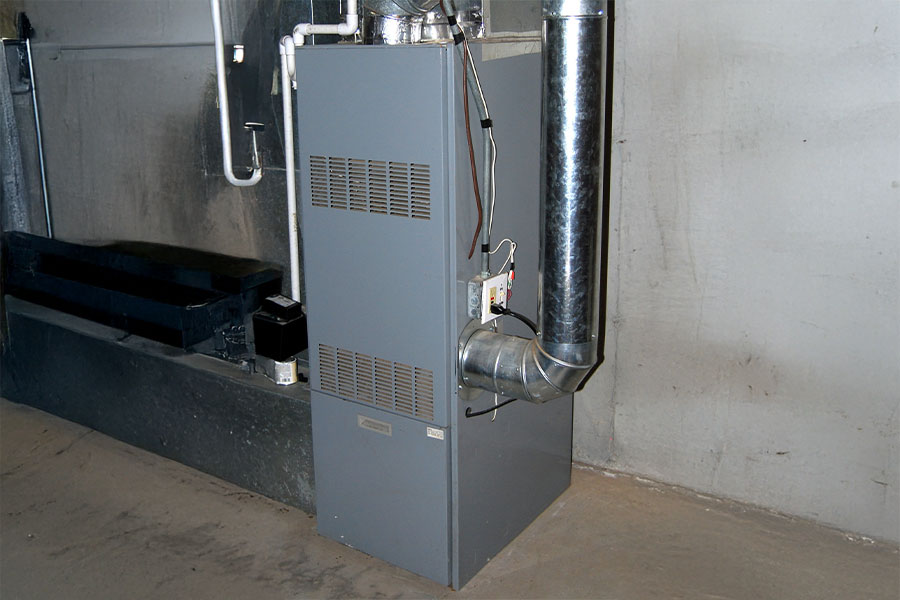
The section of Homosassa closest to the river and the Gulf access channels experiences something closer to a coastal marine environment than a standard inland Florida community. Salt aerosols travel inland from tidal areas during onshore wind events, depositing on outdoor HVAC equipment and eventually working into building envelope gaps. Combined with the freshwater humidity from the spring system upstream, the result is a sustained chemical and moisture assault on metal components that most HVAC systems were not specifically designed to withstand without protective treatment.
Understanding this layered environmental stress is fundamental to diagnosing accurately in Homosassa. Our technicians approach calls here expecting to find corrosion-related issues and carry the parts and treatments to address them.
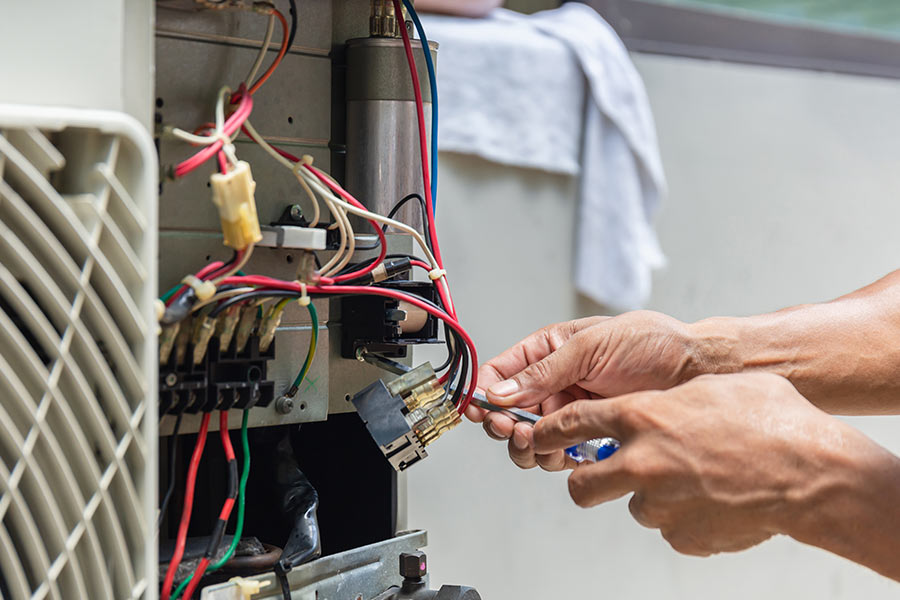
Fast Air Repair brings corrosion-aware service to every furnace call in Homosassa. Whether your home sits directly on the river or several streets back from the water, the local environment has likely influenced your system’s condition in ways that require more than a standard service approach.
Our repair services in Homosassa include:
We offer same-day service for urgent calls and 24-hour emergency availability for breakdowns that happen after hours anywhere in Citrus County.
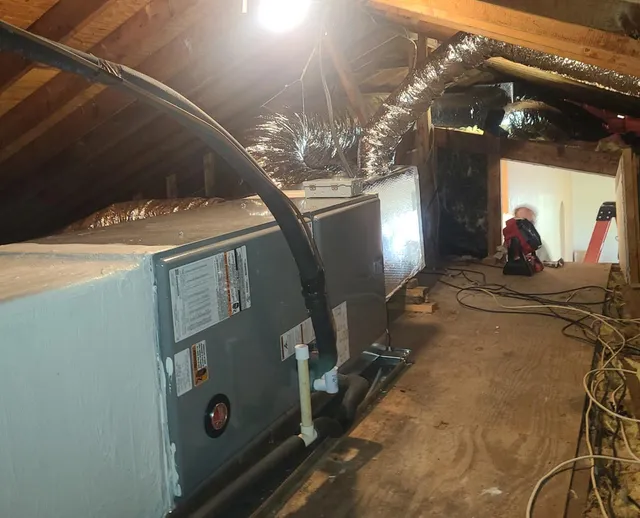
We were called out to a riverfront property in Homosassa by a homeowner named Tom who had been noticing that his heat pump was running almost continuously during a cold stretch in January without keeping the house above 65 degrees. His electric bill had spiked and the system was clearly struggling, but it hadn’t shut down completely so he had been putting off calling.
Our technician found the outdoor condenser coil in advanced corrosion, with significant fin erosion across roughly a third of the coil face and two sections where the corrosion had progressed to the point of restricting airflow through the coil. The system was trying to transfer heat through a surface that had lost a substantial portion of its effective area. The continuous run time and elevated bills were direct consequences of that reduced efficiency.
We cleaned the accessible coil surfaces, applied a protective treatment to the remaining viable coil area, and gave Tom an honest assessment of the unit’s remaining service life given the extent of the corrosion. He opted to schedule a replacement rather than invest further in a coil that had already lost significant capacity. That kind of straightforward conversation is what we aim for on every call, regardless of what direction the homeowner chooses.
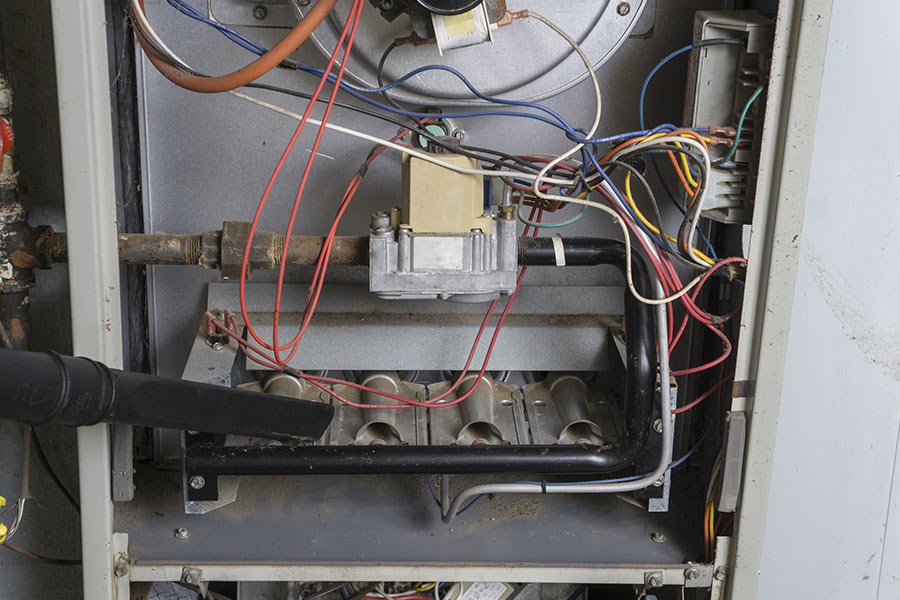
Homosassa is a community where environmental conditions make HVAC service more consequential than in many Florida towns, and where homeowners quickly learn the difference between companies that understand coastal and spring environments and companies that don’t. Fast Air Repair’s track record in Citrus County comes from actually knowing what we’re dealing with when we pull into a Homosassa driveway.
Here is what working with us looks like:
The environment in Homosassa asks more of your HVAC system than most places do. It should ask equally high standards of the company that services it. That is the bar we hold ourselves to here.
The questions we hear from Homosassa homeowners reflect the tidal and spring environment they navigate every day. Here are honest answers to what comes up most often before a service call.
Salt aerosol travel depends on wind direction, speed, and the degree of onshore flow from tidal areas. In Homosassa, properties within a half-mile of tidal channels can experience meaningful salt deposition on outdoor equipment, especially on the windward side of a home. Properties further back still benefit from protective coil coatings given the overall coastal air mass the community sits in.
Coil coatings are polymer or epoxy-based treatments applied to outdoor heat exchanger fins to slow salt and moisture-driven corrosion. They meaningfully extend coil life in coastal environments when applied before significant corrosion develops. Once corrosion has progressed to fin erosion and airflow restriction, coating the remaining surface helps but cannot restore what has already been lost.
Continuous operation without adequate heating output can have several causes including low refrigerant from a leak, a failed reversing valve, reduced coil efficiency from corrosion or fouling, or a defrost cycle that is not completing properly. A technician can distinguish between these quickly with the right diagnostic equipment. Running the system continuously in that condition adds wear to the compressor.
Do not restart the system until a technician has inspected it. Flood water in or around an outdoor unit can damage electrical components, contaminate refrigerant circuits, and leave mineral and biological deposits inside the cabinet. A post-flood inspection before restarting prevents secondary damage from operating a compromised system.
Yes. We service older HVAC systems including vintage gas furnaces, original-era heat pumps, and systems in homes that have been on the river for decades. Older systems in corrosive environments sometimes need parts that require sourcing beyond standard stock, and we have the supplier relationships to track down components for systems other companies might decline to service.